
IATF 16949 Checklist: Achieve Excellence in Automotive Manufacturing
Elevate your operations to meet industry standards and gain trust from customers with our thorough IATF 16949 checklist.
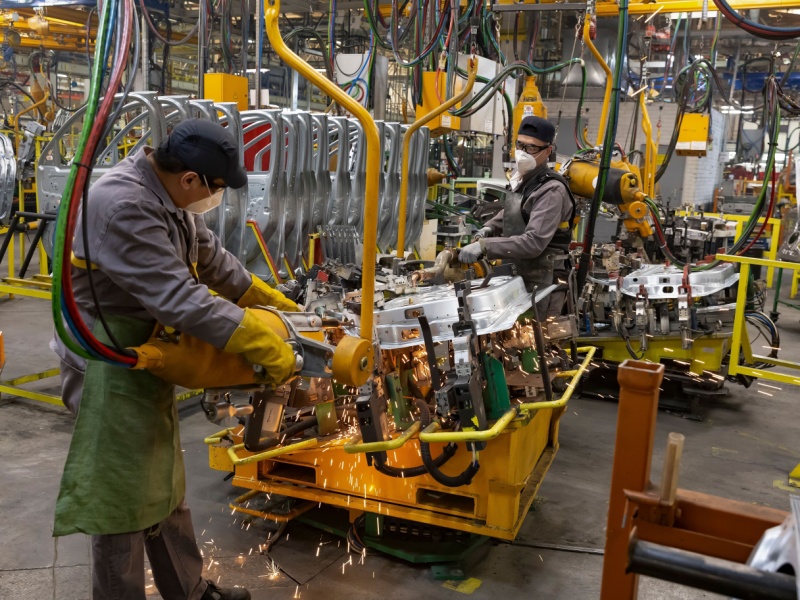
Maintaining IATF 16949 certification is a testament to an organization's commitment to quality within the automotive supply chain. Continuous improvement and proactive risk management are essential for successful audit outcomes. Based on data from the International Automotive Oversight Bureau (IAOB), a clear pattern of common audit findings has emerged. Understanding these frequent non-conformances allows certified organizations to focus their internal auditing and corrective action efforts on the areas that matter most.
This article provides an authoritative summary of the top five non-conformances identified in IATF 16949 audits. By examining these critical areas, you can better prepare your quality management system (QMS), strengthen your processes, and drive sustained compliance.
Effective problem-solving is the engine of continuous improvement. Clause 10.2.3 is frequently cited in audits, indicating that many organizations struggle to implement robust and permanent corrective actions. A failure in this area suggests that issues are likely to recur, undermining the stability of the entire QMS.
Common Issues:
Systemic Corrective Actions:
To address these deficiencies, organizations must embed a more disciplined problem-solving methodology. This includes updating procedures to mandate specific root cause analysis tools (like 5 Whys or Fishbone Diagrams), providing comprehensive training on these methods, and implementing process improvements that design out the possibility of recurrence.
The quality of a product is determined long before it reaches the production line. Clause 8.3.5.2 focuses on the outputs of the manufacturing process design phase. Non-conformances here indicate that the foundation for consistent production is weak, creating risks that manifest as defects, inefficiencies, and safety concerns.
Common Issues:
Systemic Corrective Actions:
Strengthening this area requires a rigorous and formal process design protocol. All manufacturing processes must be clearly defined with all specifications documented. Thorough risk analysis, through a well-executed FMEA, must be used to develop robust process controls. Finally, documentation improvements are needed to ensure all outputs are complete, accurate, and accessible.
While Clause 10.2.3 focuses on the problem-solving methodology, Clause 10.2.1 addresses the overall management of the nonconformity and corrective action process. Findings in this area suggest a systemic failure in the governance and execution of the entire corrective action system, from identification to closure.
Common Issues:
Systemic Corrective Actions:
Improvement begins with establishing clear, documented procedures for the entire nonconformity management life-cycle. This should be supported by a robust system for monitoring action plan progress to ensure timely completion. Critically, there must be clear management accountability to drive the process and ensure resources are allocated for effective resolution.
The Control Plan is a living document that connects process design, risk analysis, and shop-floor execution. It details how product and process characteristics will be controlled to ensure quality. Non-conformances related to Clause 8.5.1.1 are a major concern, as they indicate a direct risk to product conformity.
Common Issues:
Systemic Corrective Actions:
Organizations must treat the control plan as a dynamic and central component of their QMS. This requires diligent updates whenever processes or risk profiles change. Adherence to the Advanced Product Quality Planning (APQP) framework ensures that the control plan is developed systematically. Finally, targeted training ensures that all team members understand their roles in executing the controls defined in the plan.
If you cannot trust your measurements, you cannot trust your data. If you cannot trust your data, you cannot make informed decisions about quality. Measurement System Analysis (MSA) is the discipline of ensuring that your measurement systems are accurate, precise, and stable. Non-conformances in Clause 7.1.5.1.1 indicate that an organization's quality data may be unreliable.
Common Issues:
Systemic Corrective Actions:
A robust MSA program is non-negotiable. Corrective actions must include expanding the scope of MSA to cover all relevant measurement systems. Documentation must be updated to standardize the procedures for conducting these studies, ensuring consistency and repeatability. Comprehensive training is also essential to equip personnel with the skills needed to execute MSA studies correctly and interpret the results.
Understanding these top five non-conformances is the first step toward fortifying your quality management system. By focusing on these critical areas, you can move beyond simple compliance and foster a culture of true continuous improvement. To support you in this effort, we invite you to download the IAOB-provided IATF 16949 Top 5 Non-Conformances Infographics Tool Kit below: